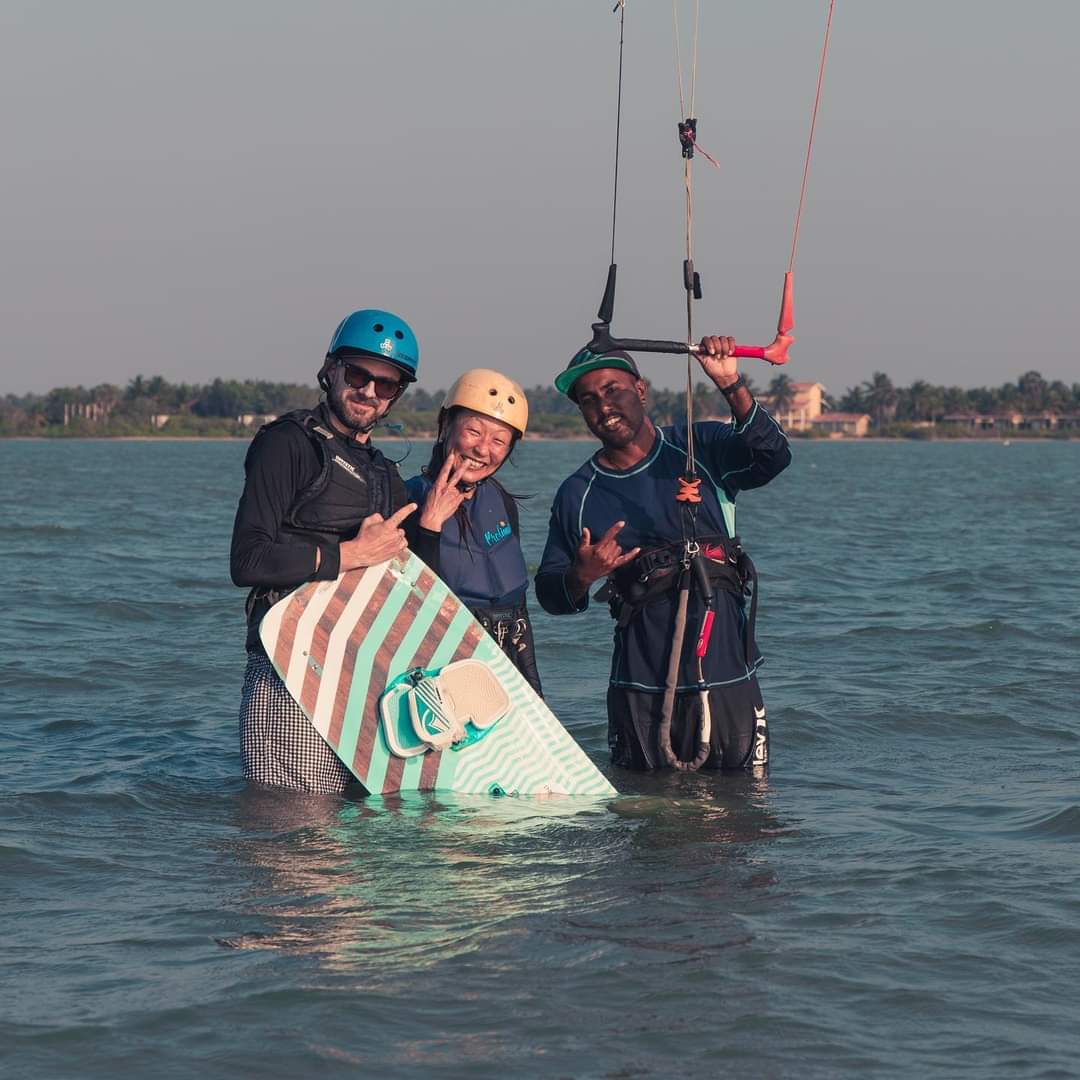
If you're looking at flights to Sri Lanka for a kitesurfing holiday, the very first question you're asking is likely: "When is the wind blowing?" Kalpitiya is globally famous for its wind consistency, but it doesn't blow the same way all year round. In fact, we have two very distinct wind seasons—the Yala and the Maha.
Understanding the difference between these two seasons is the secret to booking the perfect trip for your specific riding style and skill level. Let's break down exactly what you can expect from each.
The Yala Season (May to October): Full Power
The Yala season is our summer season, driven by the Southwest Monsoon. When kite magazines feature Kalpitiya with riders boosting massive airs, this is almost always the season they are shooting in.
Wind Characteristics
During Yala, the wind is a force of nature. It blows consistently day and night, typically ranging from 18 to 28 knots, but it's not unusual to see days pushing into the 30s. The wind direction is Southwest to West-Southwest.
- Consistency: High. You can often kite from morning until sunset without the wind dropping.
- Kite Sizes: Most riders will be heavily reliant on their 7m to 10m kites.
- Water State: The lagoon remains flat, but the ocean side gets delightfully choppy, offering great ramps for jumping and wave riding.
Who is Yala Best For?
The Yala season is a playground for intermediate to advanced riders who want to push their limits, practice big air, or ride until their legs give out. Beginners can absolutely learn during this time, but the stronger winds demand respect and high-quality instruction (which our IKO team provides).
The Maha Season (December to March): The Sweet Escape
The Maha season is our winter season, driven by the Northeast Monsoon. It's often considered the "second season," but for many of our returning guests, it's actually their favorite time of year to visit Kalpitiya.
Wind Characteristics
Maha wind is completely different from Yala. Instead of blowing 24/7, it's generally a thermal wind that builds up. Mornings are often calm and glassy, with the wind kicking in around 11:00 AM and blowing steadily until sunset at a manageable 14 to 20 knots.
- Consistency: Reliable afternoon thermals.
- Kite Sizes: 10m to 14m kites are your best friends here. It's also an absolute dream for hydrofoiling.
- Water State: Both the lagoon and the ocean are incredibly calm and flat.
Who is Maha Best For?
This is the ultimate season for beginners and progressors. The lighter, forgiving wind and buttery flat water create an incredibly safe and relaxing environment to learn water starts or master unhooked freestyle tricks without the aggressive pull of a 25-knot gale.
Plus, the calm mornings make this the perfect season for dolphin watching and deep-sea diving before your afternoon kite session.
The Transition Months: April & November
April and November are the inter-monsoon months. The wind during these periods is highly unpredictable. We usually use this time to do resort maintenance, travel, and let the lagoon rest. If your primary goal is kitesurfing, we recommend avoiding these transition months.
Summary: Which Season Should You Choose?
If you want strong, relentless wind, big jumps, and don't mind a bit of grit, book your stay between June and September (Yala).
If you prefer warm, relaxed sessions, learning in a forgiving environment, and combining kiting with wildlife safaris, book your stay between January and March (Maha).
No matter which season you choose, Surfpoint is right on the beach, meaning you're only ever a few steps away from the water the moment the wind kicks in. Check our availability and let’s get you on the water!
